
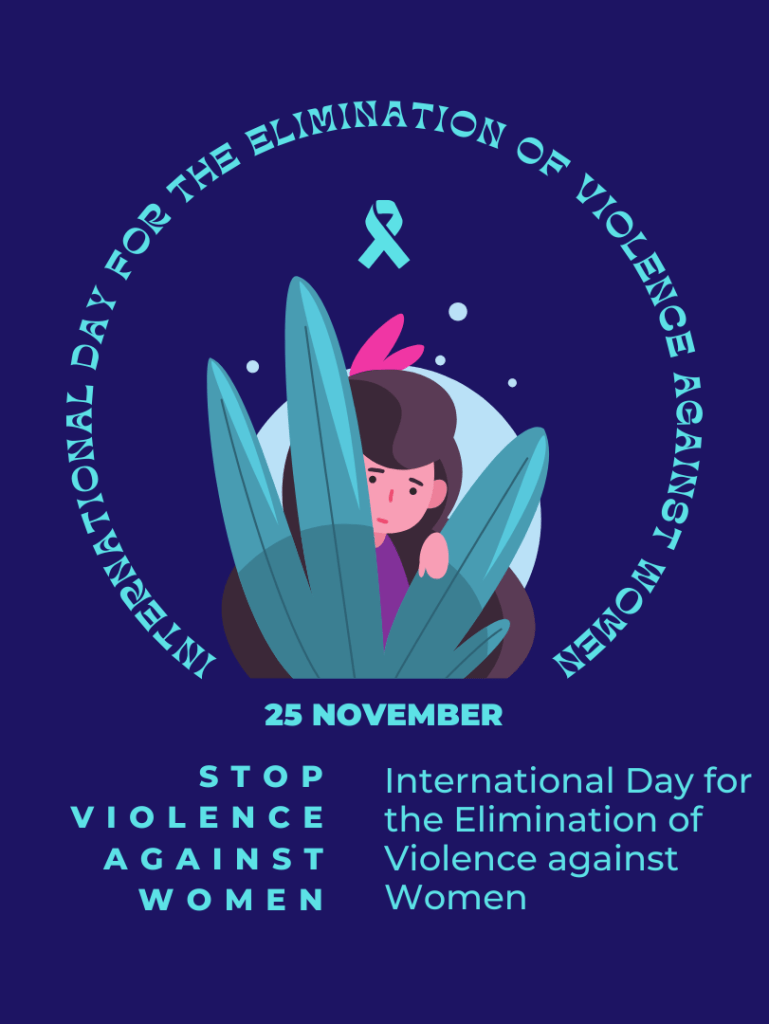
On the 25th of November every year, the world celebrates the International Day for the Elimination of Violence against Women, it is a day away, and although some progress has been made in eliminating this widespread problem, both as a nation and as individuals, we still have a long way to go. It is time to approach this problem more seriously, moving from Evidence to Action on Ending Gender-Based Violence, especially against women.
An article by the UN stated; We need more investment in women’s organizations, better legislation, prosecution of perpetrators, more services for survivors, and training for law enforcement officials. The above statement followed a discussion of how worse the violence against women has gotten following the prevalence of the COVID-19 pandemic, conflicts, and climate change; With better legislation and the creation of laws championing the rights of women, we can only go up from here.
And yes! Worse still, has been the aftermath of COVID-19 which set everyone at a standstill if not took us some steps further back, unfortunately affecting the activities that had been set to improve our fight against gender-based violence. Nevertheless, we can still rise above it and focus on creating not only a serene living environment but a thriving one for women, an environment that every person participates in creating considering each person has a role to play in this fight.
This issue isn’t just actively perpetrating large cities and well-known counties, it also affects the tiniest towns and villages. In response to our awareness of this ongoing issue, it is best that we take the time to truly focus on training the communities on how to deal with violence appropriately in order to strive for a society that is fully liberated from the shackles of SGBV.
A program launched in Rwanda named the Indashyikirwa Programme was implemented in 14 sectors across different seven districts in the Eastern, Western, and Nothern Provinces, chosen based on the highest rates of IPV according to the 2010 Rwandan Demographic and Health Survey. It aimed at creating a curriculum whose purpose was to develop the relationships between intimate couples. This program would focus on educating and enlightening couples on the concepts of power and gender, gender household roles, healthy relationships, and empowering responses to those experiencing violence. Such informative sessions would soon have the people responsible witness a growth in the interactions between couples and a drop in the cases of intimate partner violence. Some growth for the books!
Now is the opportune time to sit down and concentrate on putting these programs into action across the nation’s counties and to introduce educational initiatives that will not only help combat the ongoing issue of gender-based violence but also educate people about their rights and promote domestic harmony by introducing counseling that will teach couples how to treat each other with respect.
“I urge each and every one of us, and all agencies represented in this conference, to work towards a society free of the chains of SGBV, where the dignity of every person is recognized and every voice is heard,” These were the words of Chief Justice Martha Koome during the inaugural national conference on sexual and gender-based violence that happened on the 17th to the 18th of October 2023 at the Safari Park Hotel in Nairobi. These words should resonate within us and inspire us to become advocates and active participants in the necessary positive change that lies ahead.
As this day arrives, it has become increasingly evident that heightened awareness of the severity of this problem is imperative.
 STUFF TO SAY💫
Leave a comment